How to Measure Car Tire Pressure
Tire Pressure: How to Check Tire Pressure
Tire pressure indicates whether your car's tires are over-inflated or under-inflated. Regular checks are essential.
Checking tire pressure is one of the operations that every good driver should perform periodically to extend the life of their tires and, above all, to travel safely at all times. Let's discover how to correctly check tire pressure.
Car Tire Pressure
Tires are the only point of contact between your car and the asphalt, and for this reason, regular checks are essential to ensure driving safety.
Driving with tire pressure lower than the correct level increases both the length of braking distances when driving on a wet surface and the likelihood of aquaplaning, as well as making steering more difficult during maneuvers.
Another factor to consider if you forget to check tire pressure and travel with a value lower than recommended is the increased overheating of the tires, which over time leads to deformation and consequently increases the risk of explosion.
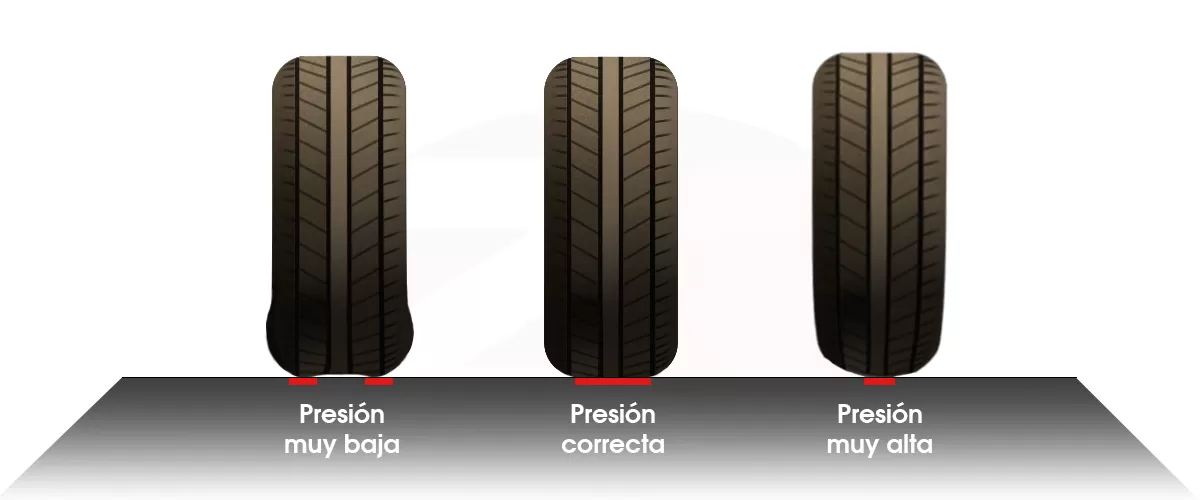
Another aspect that should not be underestimated when driving with tire pressure lower than recommended is the increase in fuel consumption due to the higher rolling resistance of the tires.
Not only does low tire pressure increase risks, but a value that is too high can also have negative consequences for your car because it decreases the tires' grip on the asphalt, thus facilitating premature wear of the car's components and accelerating the wear of the tread.
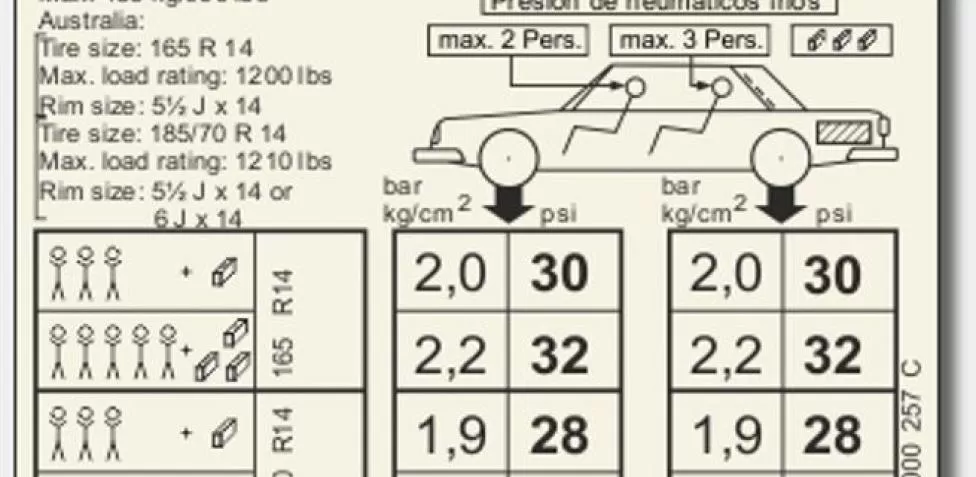
To know the correct tire pressure, it is essential to consult the vehicle documentation provided by the manufacturer, but now new cars are mandatorily equipped with a tire pressure monitoring system (TPMS) that immediately alerts if the tire pressure is not standard.
Tire pressure is indicated in bars, and normally, for summer tires, the value is between 2.0 and 3.0 bars. To check your car's tire pressure, a tool called a pressure gauge is used, which connects to the tire valve and allows you to increase or decrease the pressure according to the indicated value.
Car tire pressure should be checked every four weeks when the tires are cold. It is not recommended to measure tire pressure when they are still warm after having used the vehicle for a long time, as the increase in tire temperature can distort the actual pressure value.
Another peculiarity regarding tire pressure has to do with the gas used to inflate your car's tires. Although most drivers usually inflate their tires with air, it is possible to fill them with nitrogen.
Nitrogen, having no moisture, evaporates much more slowly than air, which means that tire pressure checks are less frequent, the tires are safer on the road, and fuel consumption is reduced.
Even when using nitrogen, it is advisable to check tire pressure every four weeks to ensure that they have not been damaged during daily use.
Finally, if the tire pressure value drops rapidly, it is advisable to check the valves. They are replaced with each tire change and it is essential that they are closed with their own cap to avoid rapid deterioration from dirt accumulated on the road.